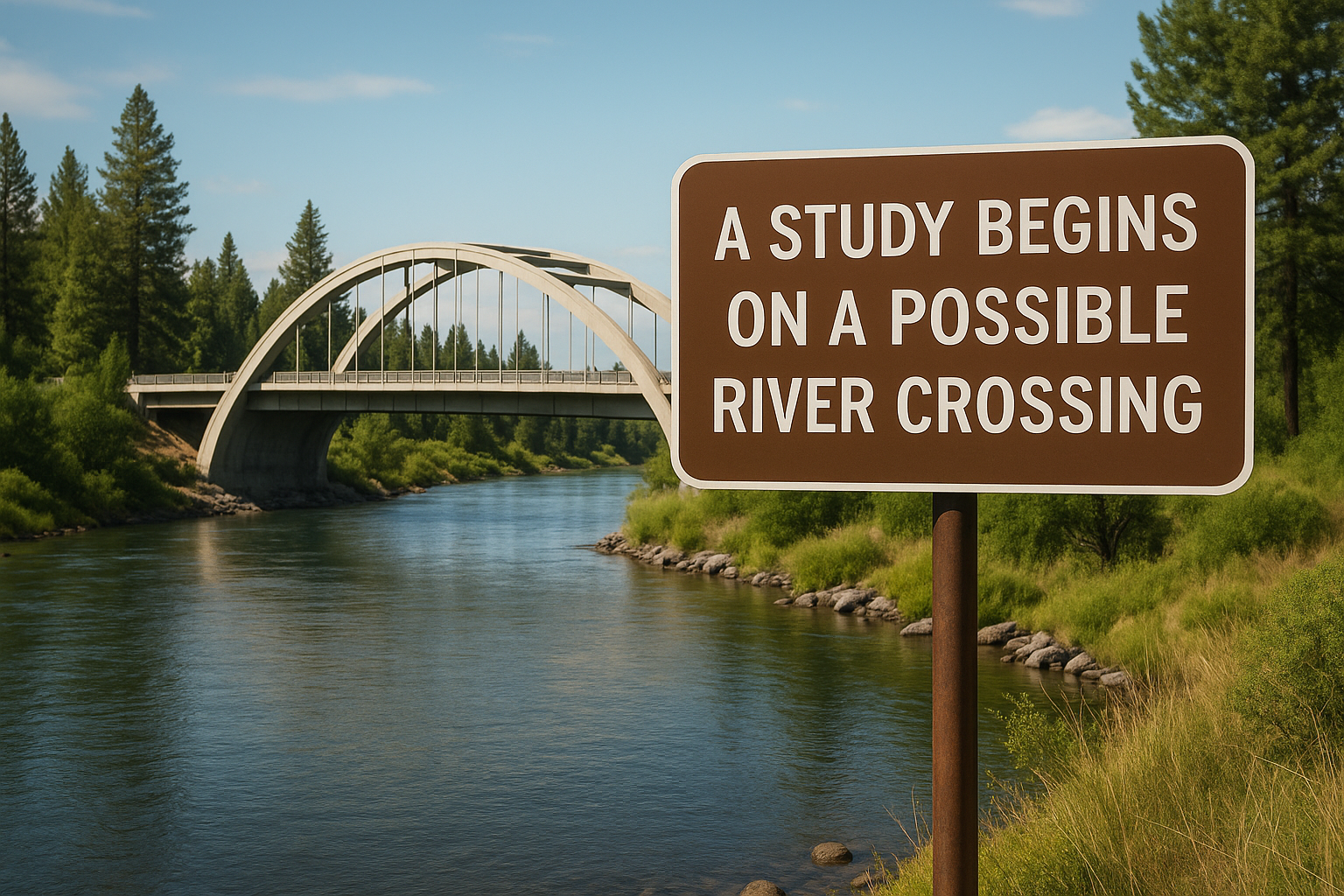
A New Bridge Across the Deschutes? Bend Begins a Study on a Possible River Crossing
Bend is a place where people come to enjoy nature, community and a slower pace of life. But as anyone who has tried to drive across town during a busy afternoon knows, our roads can get crowded. With more people moving here and new neighborhoods growing, city leaders are looking for long-term solutions that protect our quality of life. One idea now being studied is the possibility of building a new drivable bridge across the Deschutes River. While nothing has been approved yet, the study marks an important step in understanding what Bend needs as it grows.
Why Bend is studying a new bridge
Right now, Bend has only a few ways to cross the Deschutes River. The existing bridges are spread out, and some have become major bottlenecks during rush hour. As more families move into south and west Bend, the pressure on these roads is increasing. The Bend City Council recently directed staff to begin a study that looks at where a new drivable bridge might be built, how traffic would flow and what environmental protections would be required.
The goal of the study is simple: gather facts before making any decisions. This is important because a project like a bridge affects everyone, from commuters to homeowners to people who love walking along river trails. By studying routes, river health, wildlife patterns and neighborhood impacts, the city hopes to understand what is truly possible; and what is not.
What the study will explore
The study is expected to take several months, and it will review a wide range of topics. Engineers will look at how traffic currently moves across the west and south sides of Bend and where the biggest pressure points are. They’ll examine potential bridge locations, soil conditions, riverbank stability and construction challenges. Environmental specialists will review how the river ecosystem might be affected and what protections would need to be in place.
Community engagement is also a major part of the study. City leaders want to hear from residents (especially those who live in nearby neighborhoods), to understand concerns, hopes, and questions. This means there will likely be open houses, surveys and discussions where people can share their input. Whether you’re new to Bend or have lived here for decades, your voice will matter in shaping the final recommendations.
How a new bridge could help Bend
If the study finds that a new bridge is appropriate, it could bring several benefits to the city. One of the biggest is better traffic flow. A new crossing would take pressure off existing bridges and give emergency responders another way to reach people faster. It could also shorten daily commutes for many families on the south and west sides of town.
For people who are thinking about moving to Bend, the study shows that the city is planning ahead. Instead of waiting until traffic becomes overwhelming, Bend is trying to understand long-term needs now. That kind of forward thinking helps maintain the quality of life that draws so many people here in the first place.
For homeowners, the study is also encouraging. Strong transportation planning tends to protect property values, not harm them. When a city improves traffic systems responsibly, neighborhoods stay easier to reach, businesses can operate smoothly and daily life remains comfortable. Many homeowners appreciate knowing that Bend is not ignoring growth but working to guide it carefully.
Balancing growth with Bend’s natural beauty
Of course, building a bridge over the Deschutes River is not a small matter. The river is one of Bend’s most cherished natural features, and protecting it remains a top priority. That’s why the study includes detailed environmental reviews. Any future bridge design would have to avoid damaging sensitive habitats, fish passages and riverbank vegetation.
Bend has a strong history of building infrastructure that respects nature. The city’s approach to trails, parks and river access shows that development and conservation can work together. A new bridge, if approved, would need to follow this same tradition. Residents can expect that environmental safeguards and design standards would be strict, thoughtful and rooted in Bend’s values.
What happens next?
When the study is finished, the city will present findings to the public and the City Council. This does not mean construction begins right away, it simply helps leaders decide whether to move to the next step. If the study shows that a bridge is feasible and beneficial, the project would enter a new phase of planning, design and community input. If the study shows that a new crossing would harm the river or cause more problems than it solves, the council could decide not to move forward.
Looking to the future with confidence
Whether you’ve lived here for years or are thinking about making Bend your new home, it’s clear that the city is working hard to prepare for the future. Studying a new drivable bridge across the Deschutes doesn’t mean change is happening overnight; rather, it means Bend is planning wisely, listening to residents and focusing on long-term quality of life.
Bend has always been a place where nature and community come together. As we look ahead, thoughtful projects like this study help ensure that our city remains welcoming, accessible and deeply connected to the landscapes we love. No matter what the final decision becomes, the study itself is a sign that Bend is growing with care.